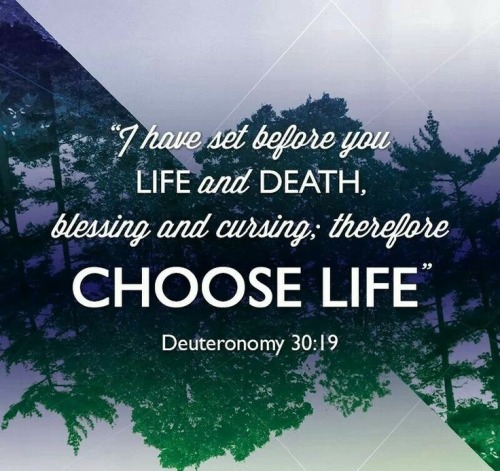
“I have set before you life and death, blessings and curses. Now choose life, so that you and your children may live.” (Deuteronomy 30:19, NIV)
Moses’ words were not spoken to individuals alone—they were spoken to a Local Faith Community standing on the edge of its future. Israel was about to enter the land, and the direction they chose would determine whether they flourished or faded.
That same spiritual principle still operates today. Churches do not drift into life. They drift into decline. Life must be chosen—intentionally, repeatedly, and often painfully.
When we look at the landscape of American churches, especially those in decline, we’re not looking at random outcomes. We’re seeing the results of choices—some made long ago, others being made right now.
If we’re honest, most churches are living somewhere inside one of these four paths.
1. Don’t Change = Die Certainly
This is the most dangerous posture, though it often feels the safest.
It sounds like:
- “We’ve always done it this way.”
- “This worked for us before.”
- “Why fix what isn’t broken?”
But beneath that language is a quiet assumption: that what once brought life will always bring life.
The problem is that ministry methods are not eternal—only the message is. When a church refuses to adapt how it ministers, it slowly disconnects from the people it is called to reach.
The timeline here is longer than people expect, which is why it’s so deceptive.
- Year 1–3: Stability. Attendance holds. Confidence remains.
- Year 3–7: Gradual decline. Fewer new families. Aging congregation.
- Year 7–15: Noticeable loss. Ministries shrink. Energy fades.
- Year 15+: Closure or irrelevance.
No one decides to close a church in Year 1. But the decision was often made 15 years earlier when the church chose comfort over mission.
In Deuteronomy, “death” didn’t always mean immediate destruction—it meant a trajectory away from God’s blessing. The same is true here. Refusing to change doesn’t feel like death at first. It feels like preservation.
But it is, in fact, the slowest form of surrender.
2. Don’t Change Enough = Die Slowly
This is where many churches sit—and where many leaders feel stuck.
They recognize something is wrong. They even attempt adjustments. But the changes are partial, cautious, and often cosmetic.
It looks like:
- Updating a service time, but not the ministry philosophy.
- Adding a program, but not making disciples.
- Tweaking the music, but not addressing mission drift.
There is movement, but not transformation.
The timeline here is more subtle:
- Year 1–3: Small improvements. A sense of hope.
- Year 3–8: Plateau. Initial gains fade.
- Year 8–15: Quiet decline resumes.
- Year 15+: Discouragement sets in; leaders burn out or settle.
This is particularly frustrating because effort is present, but fruit is limited.
Jesus’ words in Revelation to the churches come to mind—not outright rejection, but a call to deeper repentance and realignment. Partial obedience does not produce lasting life.
A church in this category often says, “We tried that.” But what they tried was not deep enough, sustained enough, or aligned enough with the mission of Christ.
This is not rebellion—it’s hesitation. But hesitation, over time, produces the same result as resistance.
3. Change = Live (But With Difficulty)
This is where things begin to turn—but it’s not easy.
When a church truly begins to change, it enters a season that feels more like survival than success.
It looks like:
- Hard conversations about what must end.
- Letting go of cherished traditions that no longer serve the mission.
- Resistance from members who feel displaced or unheard.
- Leaders carrying emotional and spiritual weight.
This is the valley between death and life.
The timeline often unfolds like this:
- Year 1–2: Disruption. Attendance may drop. Tension rises.
- Year 2–5: Rebuilding. New people begin to come. Culture shifts.
- Year 5–10: Stability returns—but with a different identity.
This stage is where many churches turn back.
Why? Because it feels like things are getting worse, not better.
But this is where Deuteronomy 30 becomes so powerful. Choosing life does not mean immediate ease. It means choosing the path that leads to life—even if the first steps are costly.
In pastoral terms, this is pruning (John 15). It looks like loss before it looks like fruit.
A church in this phase is alive—but it feels fragile. There is hope, but it requires endurance.
4. Change Enough = Thrive Incredibly
This is not about chasing trends—it’s about full alignment with God’s mission.
When a church changes enough, it doesn’t just adjust methods—it reorients its heart, structure, and priorities around making disciples and reaching people.
It looks like:
- Clarity of mission driving every decision.
- Leadership development becoming a priority, not an afterthought.
- Willingness to release what no longer bears fruit.
- A culture that expects growth, not just maintenance.
The timeline here is different:
- Year 1–3: Intentional restructuring and vision casting.
- Year 3–7: Visible growth—both spiritual and numerical.
- Year 7+: Multiplication mindset—raising leaders, planting, sending.
This is where a church begins to experience something beyond survival—what Deuteronomy calls “life… so that you and your children may live.”
It becomes generational.
An example: imagine two churches in the same city.
One refuses to change. Twenty years later, its building is sold and repurposed.
The other embraces deep change. Twenty years later, it has planted two churches, developed multiple leaders, and is reaching people the original congregation could never have imagined.
Same starting point. Different choices. Completely different futures.
The Real Issue: Choosing Life Is Not Passive
Moses did not say, “Life will come.” He said, “Choose life.”
That implies:
- Intention.
- Sacrifice.
- Courage.
For pastors, this means leading people where they may not initially want to go.
For congregations, it means trusting that faithfulness sometimes requires letting go of what feels familiar.
And for those who resist change, this is where the tension must be faced honestly:
Holding onto what once worked can actually prevent what God wants to do next.
That doesn’t mean everything old is bad. It means nothing should be untouchable except the truth of the gospel.
A Gentle but Serious Question
If nothing changes in your church over the next five years… which of these four paths are you currently on?
Not the one you hope for.
Not the one you talk about.
The one your current trajectory actually reveals.
Because the future is not accidental. It is the result of present choices.
“I have set before you life and death…”
That is not just a theological statement. It is a leadership reality.
And the invitation still stands:
“Now choose life.”